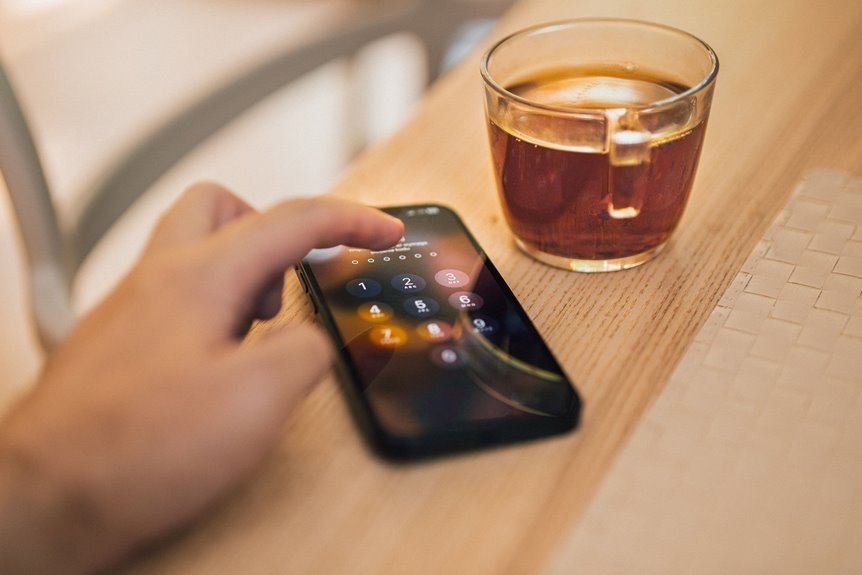
6032157860 could be a harmless internal ID, a legitimate contact, or a privacy risk if mishandled. The article frames how to verify legitimacy, compare the number against trusted sources, and document ownership evidence. It outlines privacy safeguards, such as minimizing disclosure and watching for patterns. Readers are guided to mute or report unknown calls and use careful verification practices. The discussion ends with practical steps that invite careful follow-up to protect personal information.
What 6032157860 Might Be Stacking Up To (Informational)
The string 6032157860 could represent a contact number, an identifying code, or a sequence used for internal routing, and its potential meanings depend on the broader context in which it appears. This informational assessment outlines possible roles, emphasizing non-identifying uses, data handling, and system flows.
6032157860 concerns arise when metadata is misinterpreted, revealing privacy risks through improper linkage or exposure.
How to Verify Legitimacy and Protect Your Privacy
To verify legitimacy and protect privacy, readers should start by identifying authoritative sources, checking contact details, and verifying ownership of the number 6032157860 through official channels. The approach emphasizes verify legitimacy through documented evidence, enables privacy protection by limiting data disclosure, and encourages ongoing vigilance.
Validate legitimacy, protect privacy, verify legitimacy, privacy protection through careful verification, disciplined information hygiene, and proactive monitoring.
Common Troubles at a Glance and Quick Fixes
Common issues frequently arise when handling unknown numbers like 6032157860, and this section offers concise, actionable fixes. How To identify suspicious calls without revealing data, and Privacy Scan to monitor outcomes, are outlined. Quick fixes include verifying contact context, muting unknown numbers, and reporting spam. Structured steps enable calm responses, reducing risk while preserving autonomy and freedom in communication choices.
Troubleshooting Steps That Actually Work (Try These First)
Are common pitfalls suddenly clearer after a quick, disciplined checklist? The article presents practical steps: verify numbers, enact verification steps, and document caller patterns. It emphasizes privacy concerns, security risks, and spam filters, guiding readers to assess authenticity. Clear, structured guidance reduces ambiguity, enabling informed decisions.
Users bluntly weigh risks, refine filters, and adopt disciplined habits for freer, safer phone interactions.
Frequently Asked Questions
Is 6032157860 a Scam or a Legitimate Business Number?
6032157860 legitimacy cannot be determined from provided data; it requires verification. The evaluation emphasizes scam recognition through trusted sources, official listings, and caller behavior rather than assumptions, enabling informed judgments for a freedom-focused, cautious audience.
Can I Block Calls Without Blocking Essential Services?
Call blocking strategies can deter unwanted calls while preserving essential service access; users can enable selective blocking, use whitelists, and review trusted numbers to maintain core communications without isolating themselves from required services.
What Personal Data Should I Avoid Sharing With Unknown Numbers?
Unknown numbers should not receive sensitive details; avoid sharing personal identifiers, passwords, financial info, or location data. Maintain privacy habits and data safety, then practice limited disclosure. Freedom-minded users safeguard boundaries, reducing risk as suspense builds toward safer interactions.
How Does Caller ID Spoofing Affect Incoming Calls?
Caller ID spoofing can mislead recipients, making numbers appear legitimate; use caution, implement blocking strategies, and apply privacy tips. The approach includes reporting options and awareness of spoofed calls to protect personal communication freedom.
Are There Legal Ways to Trace or Report Abusive Calls?
Yes; there are legal options to trace or report abusive calls, including cooperating with carriers and law enforcement. Legitimate business practices and privacy protection principles guide investigations while preserving individual rights and facilitating appropriate, transparent action.
Conclusion
The nature of 6032157860 remains uncertain, underscoring the need for cautious verification. A six-to-ten-digit identifier may be a legitimate contact, internal code, or privacy risk. By cross-checking through official channels, comparing against known details, and documenting ownership, users can determine legitimacy while safeguarding privacy. When in doubt, mute or report suspicious calls and avoid broad data disclosure. Implement privacy-first verification practices, monitor patterns, and retain evidence of interactions to mitigate recurring troubles and protect personal information.

 By
By