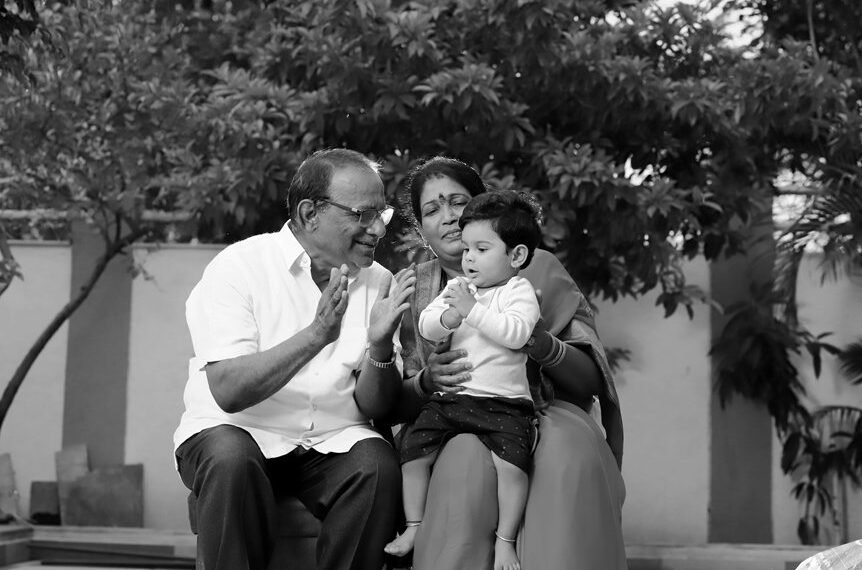
Oscar Adrian Bergoglio emerges as a figure defined by kinship and context rather than public prominence. The narrative centers on family lineage, local institutions, and regional culture that shaped early life. Education, mentors, and formative communities are examined with restraint, avoiding sensational detail. The account weighs how supportive networks and pivotal family moments framed milestones. This balanced portrait invites further scrutiny of influence and era, leaving questions that prompt a closer look at the forces at play.
Who Is Oscar Adrian Bergoglio? A Foundational Portrait
Oscar Adrian Bergoglio is a lesser-known figure whose background and family connections are often discussed in relation to more prominent relatives.
The article surveys a measured portrait, noting that Oscar Adrian Bergoglio: family roots, early life; influences, mentors, key moments.
It remains analytical, sourced, and objective, identifying patterns, milestones, and contextual factors without sensationalism or speculation.
Family Roots and Early Life: Culture, Circles, and Country
The subject’s background is anchored in a milieu defined by regional culture, social networks, and national context, with early experiences shaped by familial expectations, local institutions, and community norms.
This examination outlines family roots and early life within cultural circles and country, noting how local patronage, education, and community rites framed developmental trajectories, while sources emphasize regional diversity, identity formation, and intergenerational continuity.
Influences, Mentors, and Key Family Moments That Shaped Him
Influences, mentors, and pivotal family moments shaped Oscar Adrian Bergoglio through a confluence of religious, educational, and community forces that operated within his formative milieu.
The narrative identifies influences outside politics and mentors in science, emphasizing measured, sourced observations.
It analyzes peer networks, familial expectations, and institutional guidance, avoiding sensationalism while presenting a neutral account of pivotal supports shaping his early intellectual trajectory.
Legacy, Context, and The Era That Shaped His World
Legacy, context, and the era that shaped his world are examined by locating the architected environment in which Oscar Adrian Bergoglio operated. The analysis isolates institutional forces, cultural norms, and political currents that framed decisions, revealing a measured, evidence-based portrait. This legacy context clarifies how era shaping factors influenced strategies, networks, and responses within his professional milieu and historical moment.
Frequently Asked Questions
What Are Oscar Adrian Bergoglio’s Hidden Hobbies?
Hidden hobbies and undisclosed mentors remain unverified in available records; the subject’s private interests are not documented, and any claims should be treated as speculative. Analysts note lack of reliable sources to confirm such undisclosed aspects.
Which Languages Did He Speak at Home?
Oscar Adrian Bergoglio is known to have spoken multiple languages at home; undisclosed personal mentors and hidden hobbies are widely speculative. The record remains unobtrusively inconclusive, with no verifiable, publicly sourced details about his domestic linguistic repertoire.
Did He Have Any Undisclosed Childhood Mentors?
There is no verifiable record of undisclosed mentors in his childhood; sources note explored interests and influences, but no hidden mentors exist. The analysis remains cautious, acknowledging limited documentation while acknowledging potential undisclosed mentors and hidden hobbies.
What Were His Personal Beliefs or Values?
Valued by outsiders for restraint, he appeared to hold private beliefs rooted in pragmatism and social duty; his values aligned with measured empathy, disciplined routine, and pursuit of discreet knowledge, including hidden hobbies and languages, with undisclosed mentors noted.
Are There Overlooked Siblings or Relatives?
Overlooked relatives and hidden siblings exist in biographies with limited documentation, but evidence remains sparse. The assessment notes undisclosed mentors and personal beliefs, while home languages vary; speculation about hidden hobbies remains unsubstantiated, and sources urge careful, objective analysis of claimed connections.
Conclusion
Oscar Adrian Bergoglio emerges as a figure defined by milieu and lineage, rather than disruption. His life highlights how family networks, regional culture, and local institutions shape identity within a national context. Analyzing his era reveals a balance of influence and constraint, where mentors and patronage intersect with community norms to steer trajectory. Example: a hypothetical collaboration with a regional cultural foundation to preserve local archives could illustrate how quiet networks sustain lasting cultural legacies beyond political prominence.


 By
By