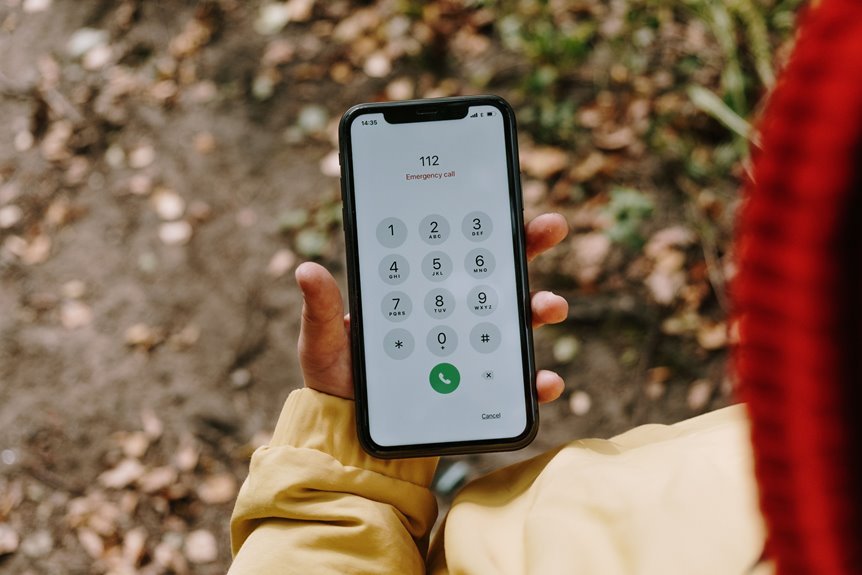
This guide presents a structured approach to handling common user difficulties tied to the number 516-566-0135. It outlines clear workflows for login, password resets, and access management, with emphasis on verified identity and least-privilege practices. Steps are designed to be repeatable, auditable, and user-centric, aiming to reduce friction while preserving autonomy. The document also highlights proactive support and measurement to improve responses over time, inviting further exploration of how these elements come together in real-world scenarios.
How (516) 566-0135 Simplifies Common Login and Access Issues
Often, users encounter login and access issues due to forgotten passwords, expired sessions, or blocked accounts, and a dedicated support line like (516) 566-0135 provides targeted assistance to resolve these problems quickly.
The service emphasizes smooth authentication and access clarity, guiding users through verification steps, reducing friction, and restoring secure entry while preserving autonomy and uninterrupted workflow. This approach fosters confident, independent use.
Troubleshooting Steps for Password Resets and Account Unlocks
To troubleshoot password resets and account unlocks, a clear, step-by-step approach helps users regain access quickly and with minimal friction.
The procedure outlines verification, identity recovery, and reset options, emphasizing secure channels and timely prompts.
It avoids unnecessary details, delivering actionable guidance for password resets and account unlocks, while preserving user autonomy and maintaining privacy.
Managing Permissions and Role-Based Access Without Confusion
Managing permissions and role-based access requires a clear, repeatable process that minimizes confusion. The approach emphasizes permissions mapping and defined access workflows to reduce ambiguity. Roles are mapped to least-privilege actions, with audit trails and review intervals. Documentation is concise, accessible, and versioned, enabling quick onboarding. This structure supports user autonomy while preserving security and operational clarity for freedom-minded teams.
Proactive Support Tips: Build a Smoother User Experience and Faster Resolution
Proactive support combines anticipation with practical steps to reduce friction and accelerate resolution.
This approach favors proactive communication and transparent guidance, enabling users to anticipate issues before they arise.
By mapping user journeys, teams design user friendly workflows that minimize back-and-forth.
The result is faster resolutions, reduced confusion, and a sense of autonomy, aligning support with a freedom-oriented user experience.
Frequently Asked Questions
How Does This Guide Protect User Privacy With (516) 566-0135?
The guide protects privacy by implementing privacy safeguards and obtaining user consent before data collection; it minimizes data retention and uses access controls. It emphasizes user consent, giving individuals clear choices while maintaining transparent, accountable handling of information.
Can This Number Assist Non-Technical Stakeholders Effectively?
“Rome wasn’t built in a day.” The number can aid non technical stakeholders through user oriented guidance, translating technical steps into plain terms, enabling clarity and autonomy while maintaining privacy considerations and accessible, structured, freedom-minded communication.
What Are Common Myths About Phone-Based Account Support?
Myth busting reveals common myths about phone-based account support, clarifying privacy safeguards, assistance scope, and security protocols. It outlines resolution timelines, suggests realistic expectations, and emphasizes stakeholder accessibility while debunking misconceptions about rigidity and hidden hurdles.
How Is Data Security Maintained During Remote Assistance?
Data privacy is maintained through encrypted connections, strict access controls, and audit trails; remote access is limited and monitored. Only authorized technicians may view screens, and sessions are terminated after completion to protect user autonomy and security.
Are There Time Estimates for Typical Resolution Steps?
Time estimates exist for typical resolution steps, though specifics vary. The process outlines orderly milestones and anticipated durations, guiding users toward progress with transparency while preserving flexibility and autonomy in remote assistance environments.
Conclusion
The guide demonstrates how a single support line can streamline access, passwords, and permissions with clear, repeatable workflows. By prioritizing verified identity, least-privilege access, and proactive communication, it reduces friction while preserving autonomy. The result is faster resolutions and fewer escalations, like a well-tuned compass guiding users through complex terrain. In short, consistent processes and timely guidance turn typical difficulties into manageable steps, empowering teams to work securely and independently.


 By
By